
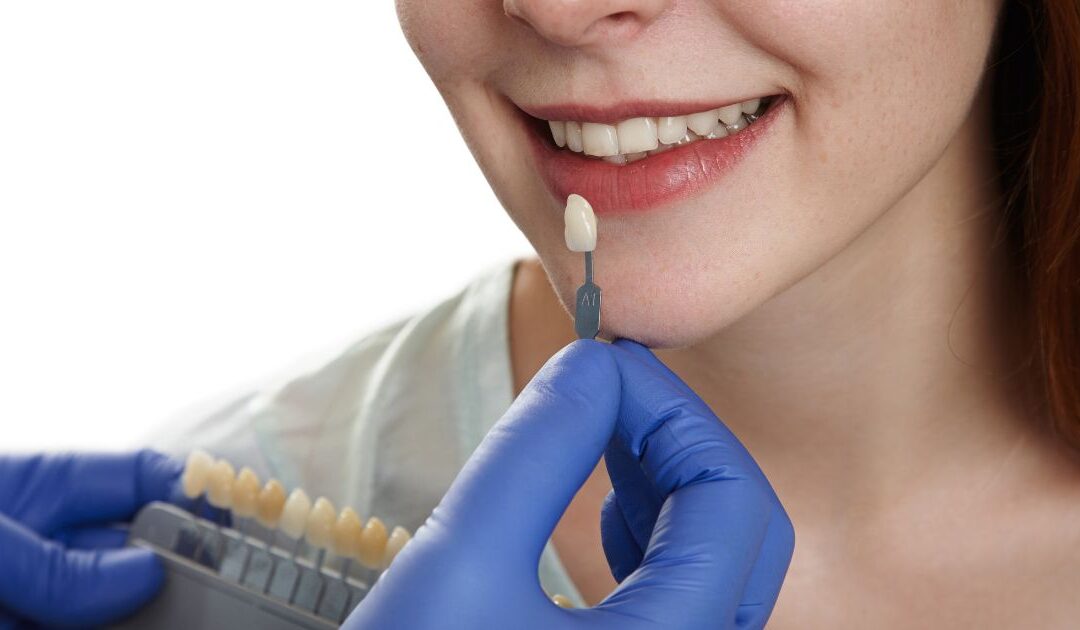
Veneers have changed the way Indians approach cosmetic dentistry. Whether it is a wedding, a career milestone, or simply wanting to feel confident in photos, more patients are asking the same question: should I go for ultra-thin veneers or stick with traditional porcelain ones? Both options promise a brighter, straighter, more uniform smile. But the right choice depends on your tooth structure, your diet, and how you use your teeth daily. This guide breaks down the differences clearly so you can decide what truly fits Indian teeth.
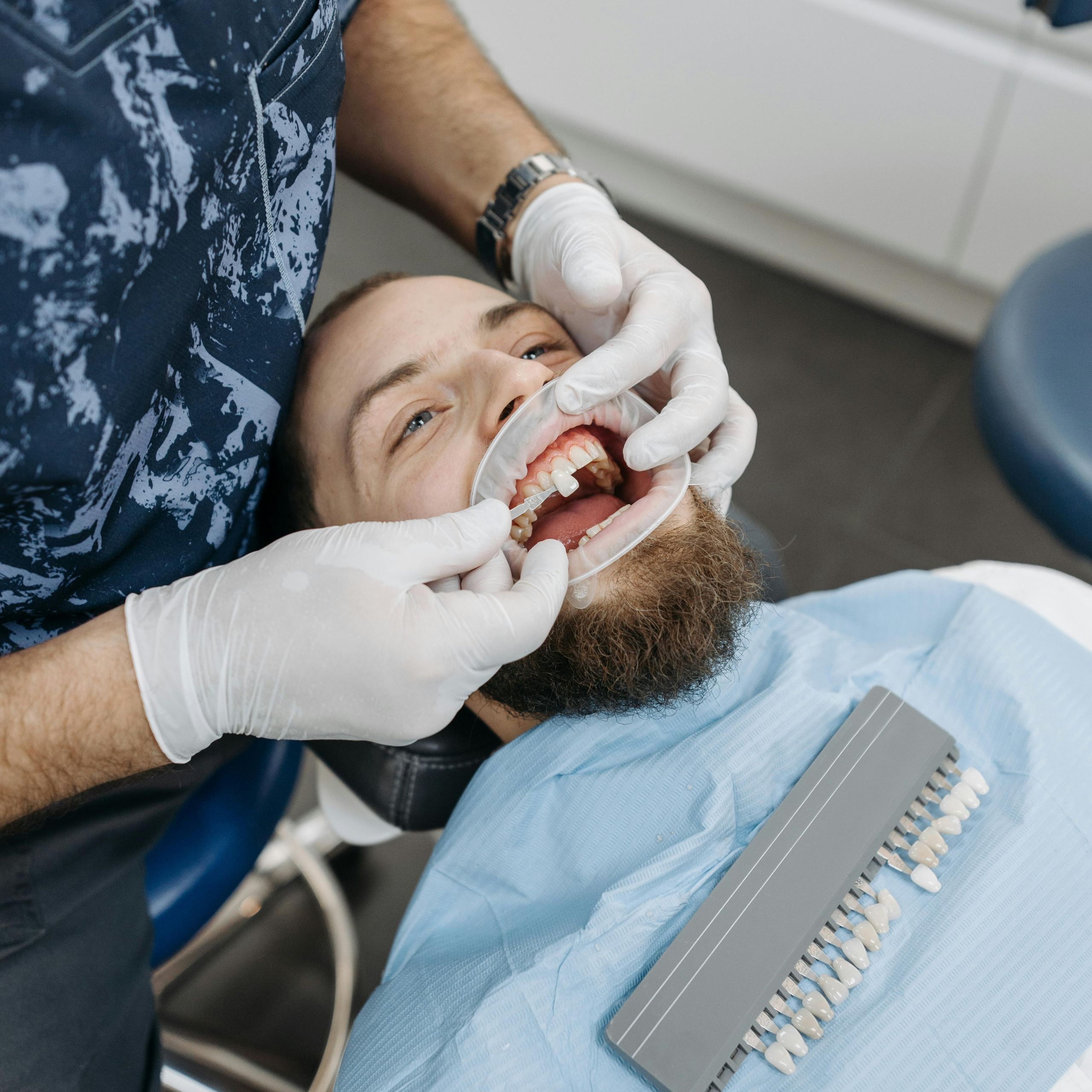
What Are Ultra-Thin Veneers?
Traditional veneers are thicker, custom-made porcelain shells, usually between 0.5 and 0.7 mm. They are bonded to the teeth after a small layer of enamel is reshaped to create space.
Standard Thickness and Tooth Preparation
A thin layer of natural tooth surface is reshaped to make room for the veneer. This step is permanent but minimal, and it ensures the veneer fits flush with the rest of your teeth for a smooth, balanced look.
Materials Used in Traditional Veneers
Most modern traditional veneers use feldspathic porcelain or layered ceramic. These materials handle stains, bite force, and daily wear better than thinner alternatives, which is why they remain popular for full smile makeovers.
The Strength Behind Porcelain
Their thicker structure offers better resistance to chipping, cracking, and discolouration. Traditional veneers also mask deeper stains more reliably, making them a strong fit for patients with darker tooth shades.
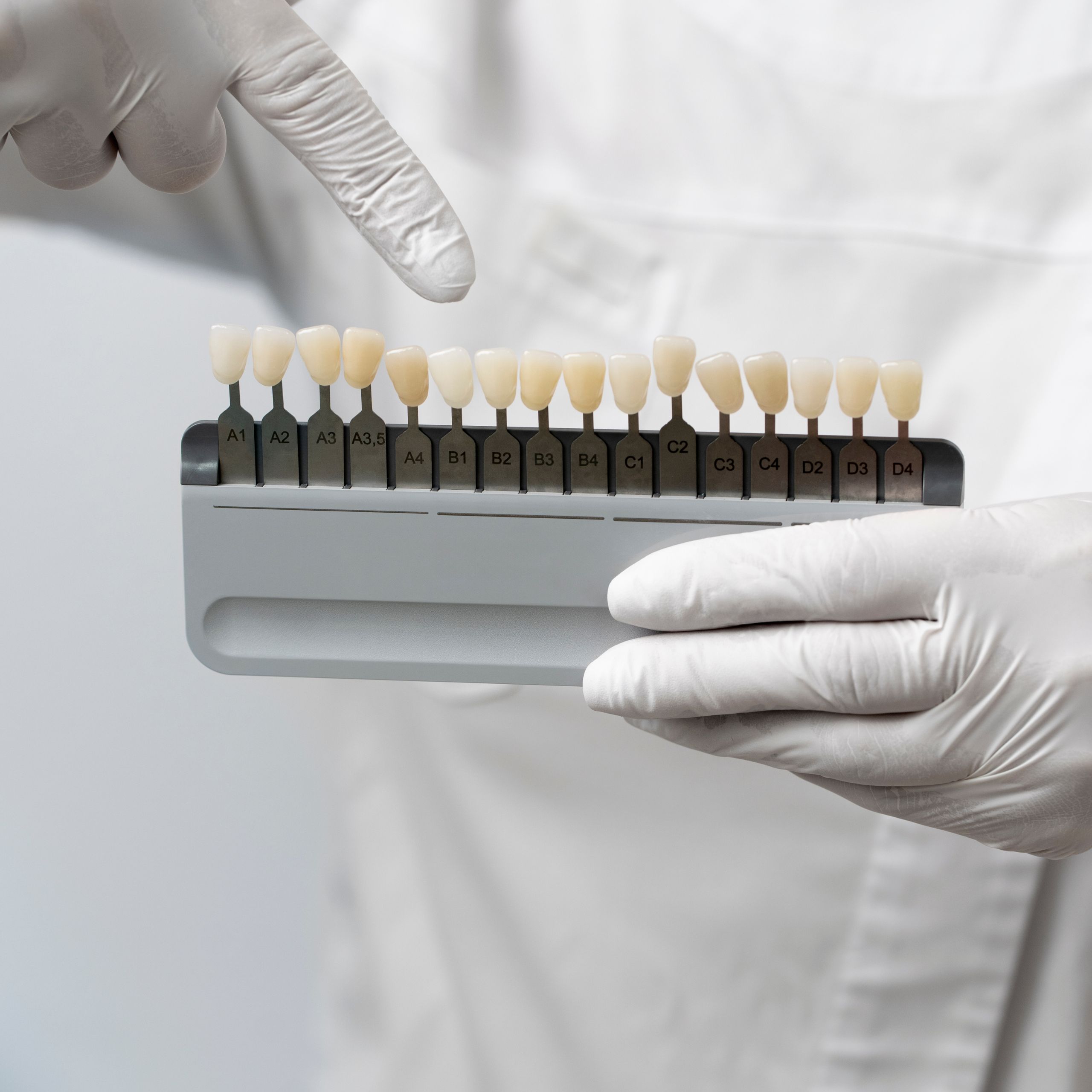
What Are Traditional Porcelain Veneers?
Ultra-thin veneers are wafer-like ceramic shells, usually around 0.2 to 0.3 mm thick, bonded to the front of natural teeth with little to no enamel removal.
Thickness, Material, and Design
Most ultra-thin veneers are made from advanced lithium disilicate or pressed ceramic. They are designed to mimic the translucency of real enamel, giving a soft, lifelike finish. Their slim design means your dentist can place them with minimal disturbance to your natural tooth.
How Ultra-Thin Veneers Are Bonded
The procedure is straightforward. The tooth surface is gently cleaned, lightly etched, and the veneer is bonded using a high-strength dental adhesive. No major drilling or shaping is needed in most cases, which makes the process comfortable and quick.
When Ultra-Thin Veneers Work Best
They suit patients with healthy enamel, well-aligned teeth, and only mild discoloration or shape concerns. If your goal is a refined, natural enhancement rather than a dramatic transformation, ultra-thin is often the right pick.
Ultra-Thin vs Traditional Veneers: The Key Differences
| Feature | Ultra-Thin Veneers | Traditional Veneers |
| Thickness and Tooth Preparation | Preserves nearly all your natural enamel with little to no reshaping needed. | Requires a small permanent reshaping of the tooth surface for stronger bonding and better masking. |
| Enamel Removal and Reversibility | Removes little to no enamel and can sometimes be reversed if your needs change later. | A long-term commitment once placed, so the decision needs careful planning. |
| Stain Coverage and Shade Control | Blends with the underlying tooth shade. Works best on already-light teeth, less effective on heavily discoloured ones. | Covers deep yellow, grey, or tetracycline-stained teeth far better thanks to its thicker structure. |
| Strength and Bite Resistance | Strong, but has lower tolerance to repeated heavy bite force over the years. | Handles bite pressure better, especially for patients who chew tougher Indian foods. |
Why is a Different Approach to Veneers Needed?
Cosmetic dentistry is not one-size-fits-all, especially for Indian patients. A few biological and lifestyle factors make veneer selection unique here.
Stronger Enamel and Heavier Bite Patterns
Indian patients often have denser enamel and a stronger natural bite force compared to many Western patients. This means thinner veneers may face more long-term stress, especially on back-to-front chewing surfaces.
Cultural Habits That Affect Veneer Longevity
Habits like chewing supari, biting into hard chikki, cracking ice, or using teeth to open wrappers can shorten the life of weaker veneer types. These small habits add up and influence how long your smile stays flawless.
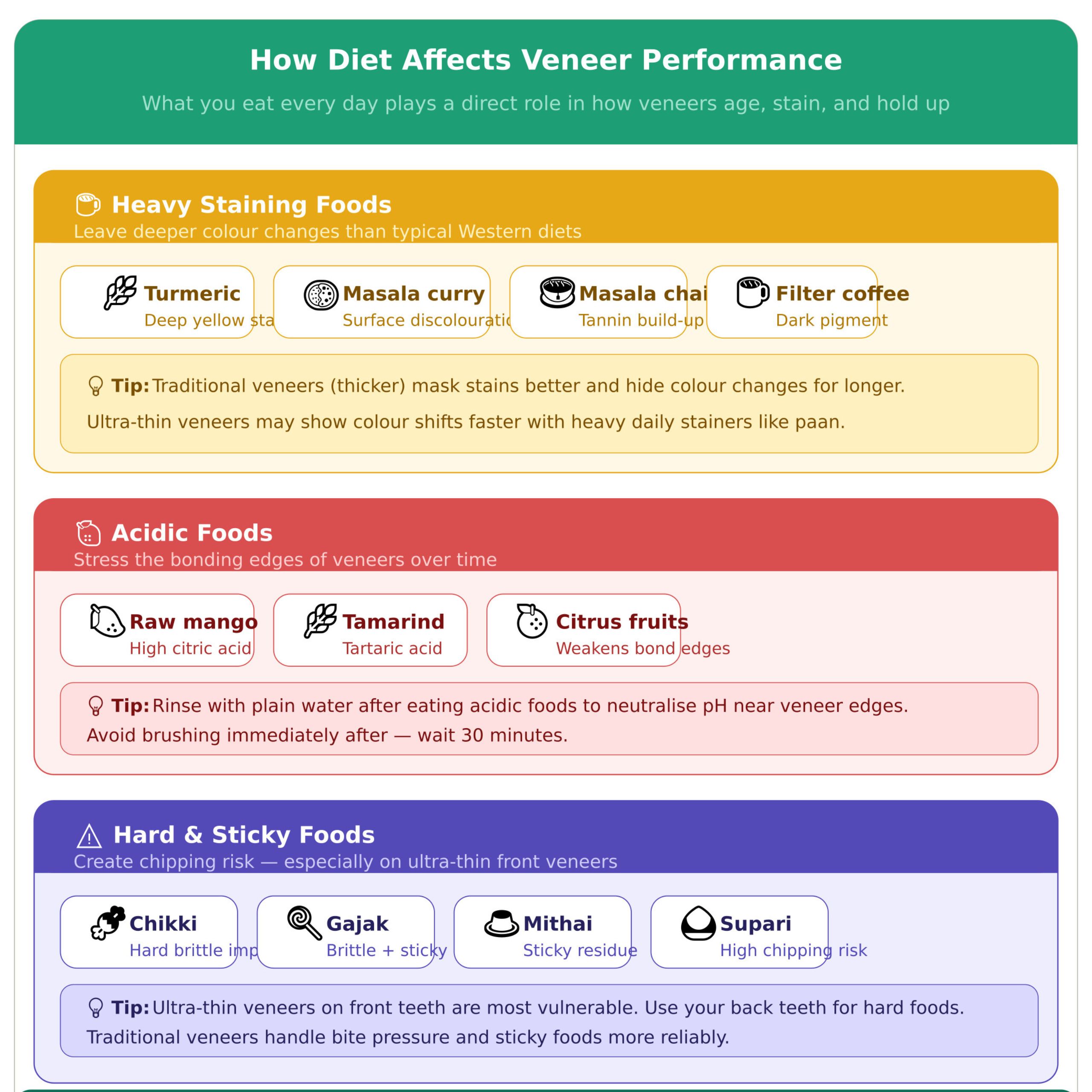
How Diet Affects Veneer Performance
What you eat every day plays a direct role in how veneers age, stain, and hold up over time.
Daily turmeric, masala curries, paan, masala chai, and filter coffee leave deeper stains than typical Western diets. Traditional veneers, being thicker, mask these stains better and hide colour changes for longer. Acidic foods like raw mango, tamarind, and citrus also stress the bonding edges over time. Hard or sticky foods such as chikki, gajak, and certain mithai can create chipping risks for ultra-thin veneers, especially on the front teeth.
According to Dr. Medasani Roshny, Cosmetic Dentist in Kondapur, Hyderabad, “Indian teeth often have stronger enamel and slightly thicker natural contours. The right veneer choice really depends on your bite, your tooth shape, and what you actually want changed.”
Want to see your new smile before you commit? Get a digital smile preview at True White Dental, Kondapur and choose the veneer type that suits you best.
Cost of Ultra-Thin vs Traditional Veneers in Hyderabad
Pricing varies depending on the brand, material, lab, and the dentist’s experience.
Average Price Range Per Tooth
In Hyderabad, ultra-thin veneers usually cost between ₹15,000 and ₹25,000 per tooth, while traditional porcelain veneers fall between ₹12,000 and ₹20,000 per tooth. International brands like Lumineers or DA veneers can sit slightly higher.
What Influences the Final Cost
Several factors shape the final price: the type of ceramic used, lab quality, digital smile design technology, the number of teeth treated, and the dentist’s specialisation in cosmetic work. Cheap quotes often mean cheaper materials, which fade faster.
Common Myths About Ultra-Thin and Traditional Veneers
Misinformation often holds patients back from making confident choices. Here are the most common myths cleared up.
Myth 1: Veneers ruin your natural teeth.
Modern techniques are conservative, and ultra-thin options preserve nearly all the enamel.
Myth 2: Veneers always look fake.
With proper digital smile design and shade matching, today’s veneers look completely natural and match your facial features.
Myth 3: Ultra-thin is always better than traditional.
Not true. The right choice depends on your tooth condition, bite force, and how heavy your stains are.
Myth 4: Veneers are only for celebrities.
Veneers are now affordable for everyday patients and widely used for confidence-boosting smile corrections.
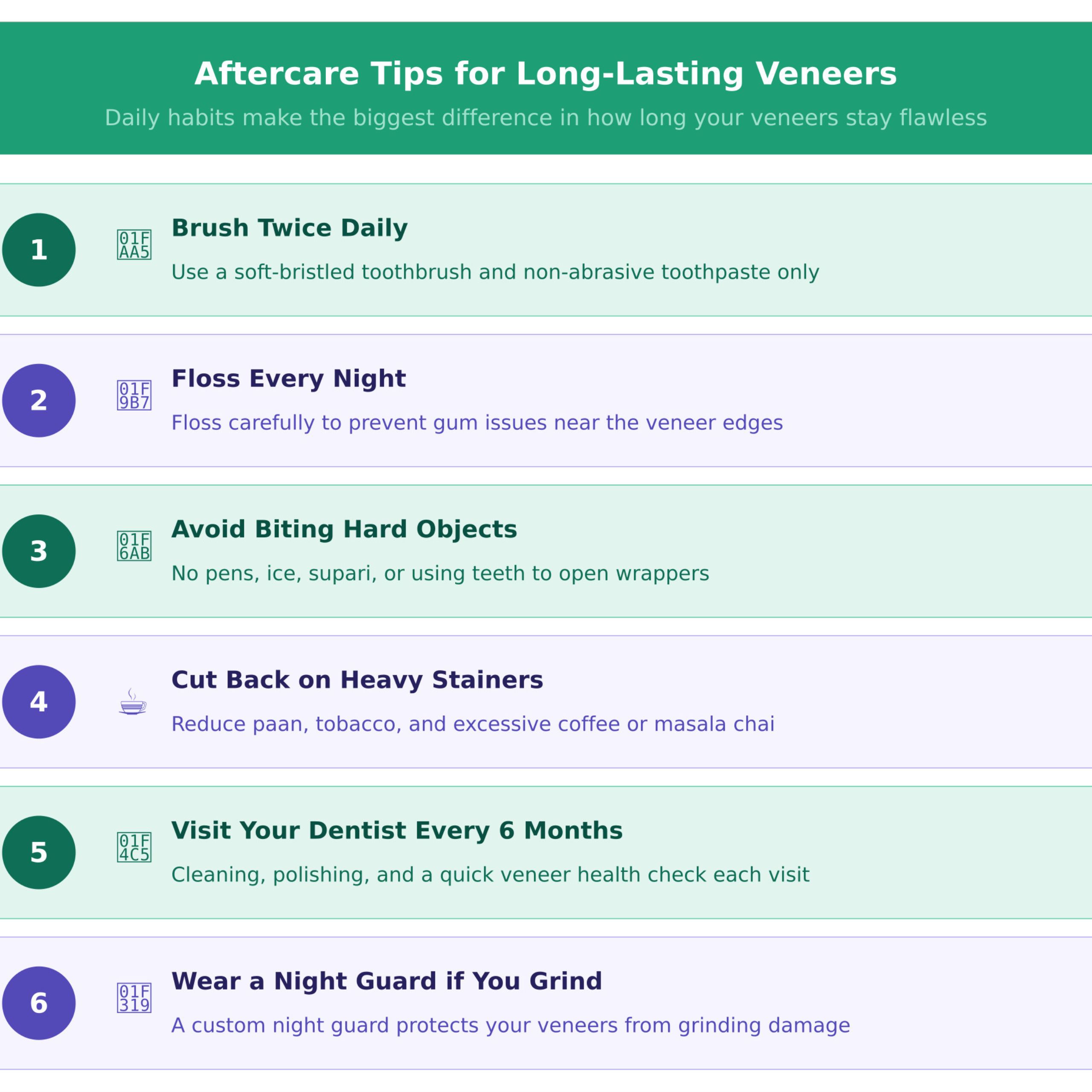
Aftercare Tips for Long-Lasting Veneers
Veneers are durable, but daily habits make a big difference in how long they stay flawless.
Brush twice daily using a soft-bristled toothbrush and non-abrasive toothpaste. Floss carefully each night to prevent gum issues near the veneer edges. Avoid biting on hard objects like pens, ice, or supari. Cut back on heavy stainers like paan, tobacco, and excessive coffee. Visit your dentist every six months for cleaning, polishing, and a quick health check. Patients who grind their teeth at night should also consider a custom night guard to protect their investment. If you are exploring other cosmetic options too, our guide on braces or clear aligners is worth a read.
Ready to plan a smile makeover that actually fits you? Walk into True White Dental in Kondapur for a complete veneer assessment.
How to Know Which Veneer Is Right for You?
Indian teeth come with their own strengths, habits, and dietary realities. A veneer that works beautifully for someone with a light bite and mild staining may not hold up as well for someone who eats hard foods daily or has deeper discolouration.
The smartest move is a proper assessment — not a guess based on price or popularity.
At True White Dental, Kondapur, Dr. Medasani Roshny evaluates your enamel, bite force, tooth shade, and smile goals before recommending a veneer type. With digital smile design, you even see your result before a single shell is placed.
Frequently Asked Questions
Are ultra-thin veneers really painless?
Yes, in most cases no anaesthesia is needed since enamel removal is minimal or none.
How long do veneers last in India?
Traditional porcelain veneers last 10 to 15 years; ultra-thin veneers typically last 7 to 10 years with proper care.
Can ultra-thin veneers fix crooked teeth?
Only mild misalignment. Severely rotated or crowded teeth need aligners or traditional veneers first.
Will my veneers look fake or natural?
With digital smile design and shade matching, modern veneers look completely natural and suit your face.
Are veneers safe for sensitive teeth?
Yes, veneers can actually reduce sensitivity by covering exposed enamel and small surface cracks.
How many sittings does the veneer process need?
Most cases finish in 2 to 3 visits across one to two weeks, including consultation, prep, and final bonding.