

Root Canal Treatment in Kondapur, Hyderabad
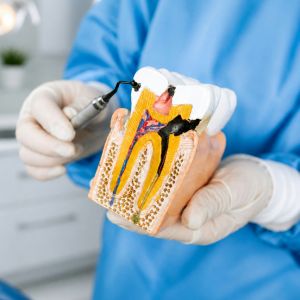
A nagging toothache, sharp sensitivity to your morning chai, or a dull ache while biting into biryani — these are often the first signs that the inner pulp of a tooth is infected. At True White Dental, Kondapur, we perform painless, precision-driven root canal treatments (RCT) using advanced rotary endodontics, helping you save your natural tooth in as little as a single sitting. Whether the discomfort started yesterday or has been quietly building for weeks, our endodontic team is here to diagnose the cause, eliminate the infection, and protect your smile for the long term.
What Is Root Canal Treatment? — by Dr. Medasani Roshny

As a cosmetic dentist in Kondapur, one of the first things I tell my patients is this — a root canal isn’t a procedure to fear. It’s how we save a tooth that would otherwise be lost.
Inside every tooth lies a soft tissue called the pulp. When it becomes infected — from deep decay, a crack, or a worn-down filling — your tooth begins to show clear signs: a throbbing ache, sharp sensitivity to hot or cold, or discomfort while chewing. That’s when I recommend root canal treatment, clinically known as endodontic therapy.
The procedure is far more comfortable than most patients expect. I gently remove the infected tissue, clean and disinfect the canals, and seal them with a biocompatible material. A week later, I place a custom-made zirconia or ceramic crown to restore the tooth’s strength and natural appearance.
My approach is always the same — relieve your pain, eliminate the infection, and preserve the tooth you were born with.
Signs You May Need a Root Canal
Many infections build silently before they flare up. Watch for:
- Sharp, lingering toothache — especially while chewing or applying pressure
- Sensitivity to hot drinks (chai, coffee) or cold foods that lingers for more than a few seconds
- A pimple-like bump or swelling on the gums near a specific tooth
- Darkening or discolouration of a single tooth
- Tenderness, swelling, or a bad taste in the surrounding gum area
- A deep cavity or visible crack following trauma or a previous filling
Benefits of Getting a Root Canal Treatment
- Eliminates severe tooth pain caused by infected or inflamed pulp, often from the very first visit
- Saves your natural tooth so you avoid extraction, gaps, and the need for implants or bridges later
- Stops the infection from spreading to the surrounding gums, bone, or nearby teeth
- Restores full chewing function — bite into roti, biryani, or your favourite foods without discomfort
- Single-sitting, painless treatment with modern anaesthesia and rotary endodontics — usually 60–90 minutes
- Long-lasting results, a properly crowned root canal tooth can last a lifetime with good oral hygiene
Ready to leave behind everything you’ve heard about root canals? Experience endodontics that’s gentle on your nerves and kind to the tooth you’d rather not lose.
Our Root Canal Treatment Process — Step by Step
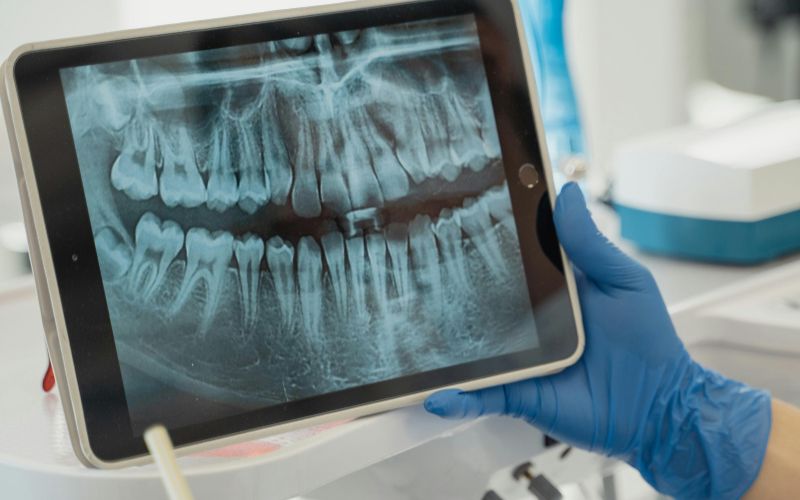
Step 1 — Comprehensive Diagnosis
Your visit begins with a detailed clinical examination, a digital X-ray, and, where needed, a 3D scan. This helps us map the exact anatomy of your tooth’s root canals and the extent of infection.
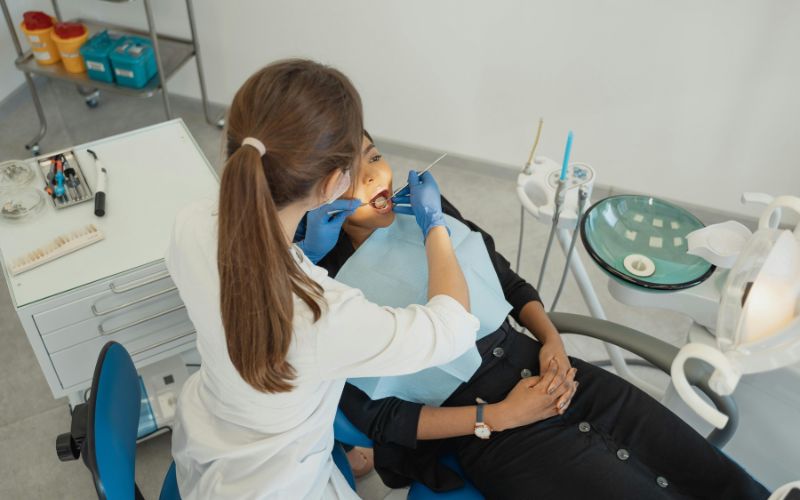
Step 2 — Numbing & Comfort
Local anaesthesia is administered to completely numb the tooth and surrounding gum. Most patients describe the procedure as feeling like a routine filling — pressure, but no pain.
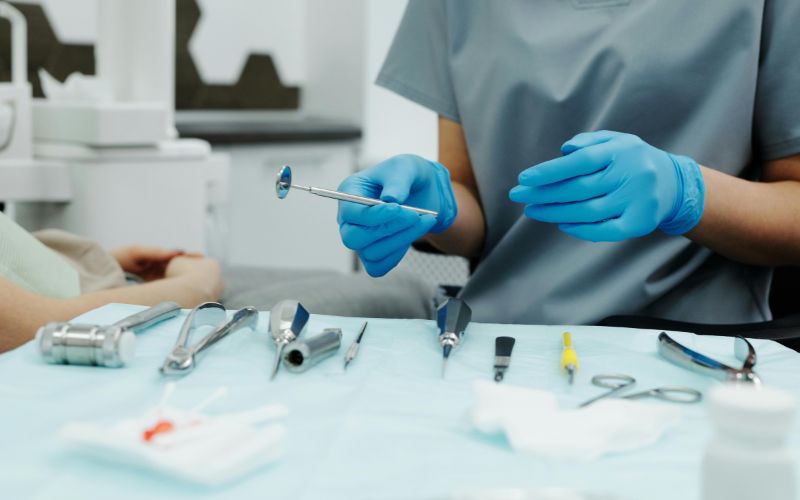
Step 3 — Accessing & Cleaning the Canals
A tiny opening is created in the tooth’s crown. Using rotary endodontic instruments and antimicrobial irrigation, the infected pulp is removed and each canal is precisely shaped and disinfected.
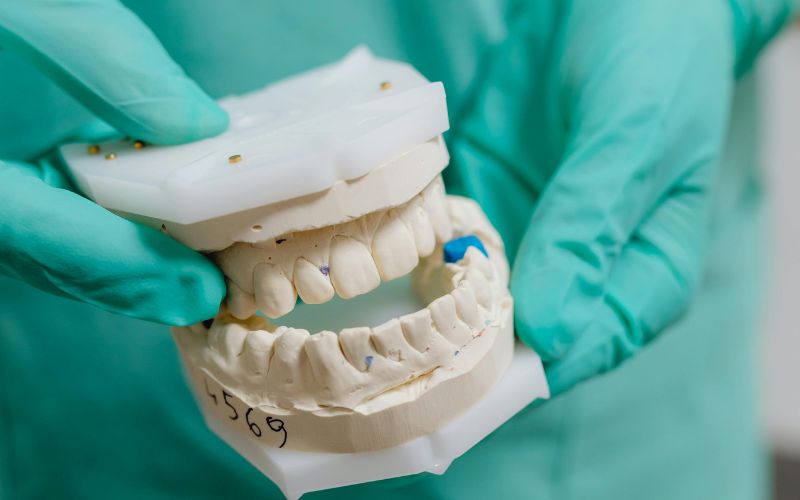
Step 4 — Filling & Sealing the Tooth
The cleaned canals are filled with gutta-percha — a safe, biocompatible material — and the access opening is sealed to prevent re-infection.

Step 5 — Crown Placement for Long-Term Protection
Within a week or two, a custom-made dental crown (usually zirconia or all-ceramic) is bonded over the treated tooth. This restores full bite strength, protects the tooth from fracture, and gives a natural-looking finish.
Advanced Technology Behind Every Procedure
Apex locators for accurate canal length measurement
Rotary endodontic systems for faster, more precise canal shaping
Digital intraoral X-rays — up to 80% less radiation than traditional film
Intraoral cameras so you can see exactly what we see, in real time
Sterilisation protocols meeting Telangana Dental Council standards
Root Canal Treatment Cost in Hyderabad
The cost of an RCT at True White Dental depends on which tooth is involved (front teeth vs. molars), the complexity of the canals, and the type of crown you choose. Front-tooth root canals are typically the most affordable, while molars — which can have three to four canals — take more time and precision. During your consultation, you receive a written, itemised estimate covering both the RCT and the crown, so you can decide with full clarity.
We also offer flexible payment options for multi-tooth or full-mouth rehabilitation cases. Ask us at your first visit.
Ready to trade dread for ease? Step into a clinic where precision endodontics meets the quiet luxury of unhurried care.
Root Canal Aftercare: What to Expect- by True White Dental
Mild tenderness for 24–48 hours is normal and usually settles with over-the-counter pain relief
Avoid chewing hard or sticky foods (supari, chikki, chewy sweets, ice) on the treated tooth until the crown is placed
Continue brushing twice daily; floss gently around the treated area
Skip very hot foods and drinks immediately after the procedure until the numbness fully wears off
Limit hard masala-coated nuts and bone-in non-veg cuts on that side for the first week
A well-restored, crowned RCT tooth, paired with good oral hygiene, can last a lifetime
Why Choose True White Dental for Your Root Canal
Specialist Endodontists on Team —
Treatments are performed by our in-house endodontic specialists, Dr. Harinath and Dr. Tulasi, working alongside our founder and lead clinician, Dr. Medasani Roshny.
Single-Sitting RCT Available —
Most uncomplicated cases are completed in just one appointment, saving you multiple trips across Hyderabad traffic.
Advanced Rotary Endodontics —
Modern nickel-titanium rotary instruments and apex locators allow precise, minimally invasive treatment with shorter chair time.
In-House Digital X-Ray & Intraoral Camera —
Low-radiation imaging and live visuals mean faster, clearer diagnosis under one roof — no running between clinics for scans.
Genuinely Painless Approach —
Modern anaesthetic technique, a gentle hand, and a judgment-free environment make us a trusted choice for anxious patients and first-time RCT cases.
Transparent, Honest Pricing —
You receive a clear written estimate covering both the RCT and the crown before treatment begins. No hidden add-ons.
Frequently Asked Questions (FAQs)
Q1. Is root canal treatment painful?
The procedure is done under local anaesthesia, so most patients feel only mild pressure, not sharp pain, during treatment.
Q2. How long does a root canal take at True White Dental?
Most root canals are completed in a single sitting of 60–90 minutes. Complex molar cases or teeth with severe active infection may need a short second visit. You’ll receive a clear time estimate at your first consultation.
Q3. How long does a root canal–treated tooth last?
With a properly placed crown and good oral hygiene, a root canal–treated tooth can last a lifetime. Routine check-ups every six months help us spot any issues early and keep your restoration in top condition.
Q4. Will I need a crown after my root canal?
In most cases, yes — especially for back teeth that handle heavy chewing. The crown protects the treated tooth from fracture and restores natural function and aesthetics. Some smaller front-tooth cases may not require a full crown, and we’ll advise you based on the specific tooth.
Q5. How many visits does a root canal need?
Most root canal treatments at True White Dental are completed in one to two visits, depending on the condition of the tooth.
Q6. Can I eat normally after a root canal?
Patients are advised to avoid chewing on the treated side until a permanent crown or filling is placed, usually within a week.
