
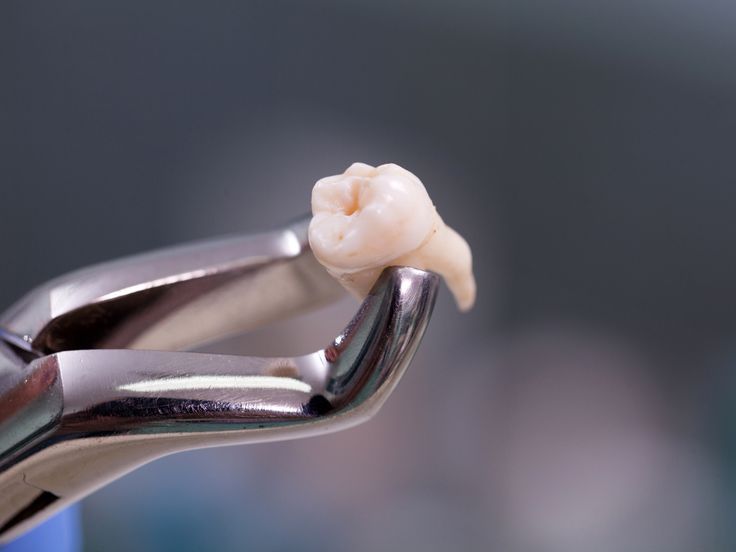
Wisdom teeth are the last molars to erupt, usually between ages 17 and 25, and they often run out of room in the jaw. When that happens they become impacted, growing at an angle or staying trapped under the gum, which leads to pain, infection, and crowding of nearby teeth. Not every wisdom tooth needs removal, but one that is impacted or repeatedly infected usually does. The decision rests on the position of the tooth and the symptoms it is causing, not age alone.
According to the dentists at True White Dental, one of the best dental clinic in Kondapur,
“We never remove a wisdom tooth just because it is there. The real question is whether it can erupt cleanly and stay healthy. If it is impacted, decaying, or triggering repeated gum infections, taking it out early prevents bigger problems later, and an X-ray tells us exactly which situation we are dealing with.”
Feeling pain or pressure at the back of your jaw?
What Are the Symptoms and How Is the Procedure Done?
Wisdom tooth trouble rarely stays quiet. The symptoms build gradually, and the procedure to remove the tooth depends on how it is positioned in the jaw.
| Stage | What Happens | What to Expect |
| Warning Symptoms | Pain, swelling, jaw stiffness, bad breath | Signals the tooth needs assessment |
| Assessment | Dental exam plus X-ray or OPG scan | Maps tooth position and roots |
| Simple Extraction | Erupted tooth lifted out under anaesthesia | Quick, minimal recovery |
| Surgical Removal | Gum incision for an impacted tooth | Needed when the tooth is trapped |
The pattern is clear: symptoms signal the problem, the scan defines it, and the tooth’s position decides whether removal is simple or surgical. A fully erupted tooth comes out in minutes, while an impacted one needs a small incision and careful sectioning. To understand the full process and book an assessment, explore our wisdom tooth removal service.
What Does Recovery Look Like After Removal?
Recovery is usually straightforward when aftercare is followed closely. Here is how the healing typically unfolds.
- First 24 Hours: Bite gently on gauze to control bleeding, apply cold packs to limit swelling, and avoid rinsing, spitting, or straws that could dislodge the clot.
- Days Two to Three: Swelling peaks then eases, soft cool foods like yoghurt and soup work best, and prescribed painkillers keep discomfort manageable.
- Days Four to Seven: Most discomfort settles, gentle warm saltwater rinses begin, and normal activity resumes while the socket continues to close.
- Two Weeks On: The socket heals over, sutures are removed if used, and harder foods are reintroduced gradually as the area fully recovers.
Protecting the blood clot is the single most important step, since losing it early causes a painful dry socket. If wider crowding is also a concern, our guide on loose teeth in adults explains how shifting teeth are managed.
Why Choose True White Dental for Wisdom Tooth Removal?
True White Dental in Kondapur, Hyderabad approaches wisdom tooth removal with proper imaging and planning rather than rushing straight to extraction. Every case starts with an X-ray or OPG scan to map the tooth’s position and roots, so the procedure is predictable and the right technique is chosen from the start. The focus stays on gentle, well-anaesthetised treatment with clear aftercare guidance, helping you recover comfortably and avoid complications like dry socket. For patients across Kondapur dealing with jaw pain or impacted teeth, the clinic offers careful assessment backed by experienced surgical care.
Frequently Asked Questions
How long does wisdom tooth recovery take?
Most patients feel better within three to four days, with full healing of the socket taking about two weeks. Swelling usually peaks on day two.
Is wisdom tooth removal painful?
The procedure is done under local anaesthesia, so you feel pressure but no pain. Mild soreness afterwards is managed with prescribed painkillers.
Do all wisdom teeth need to be removed?
No. Wisdom teeth that are healthy, fully erupted, and easy to clean can stay. Removal is advised when they are impacted, decayed, or causing pain.
What can I eat after wisdom tooth extraction?
Stick to soft, cool foods like yoghurt, soup, and mashed items for the first few days. Avoid hot, spicy, and crunchy foods until healing settles.
When should I see a dentist about wisdom teeth?
See a dentist if you have pain at the back of the jaw, swelling, difficulty opening the mouth, or repeated gum infections around the area.